20+ years of experienceOrganization, proper crew and safe handling of the building.
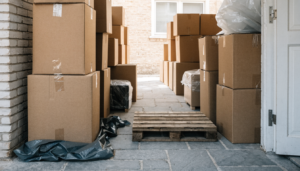


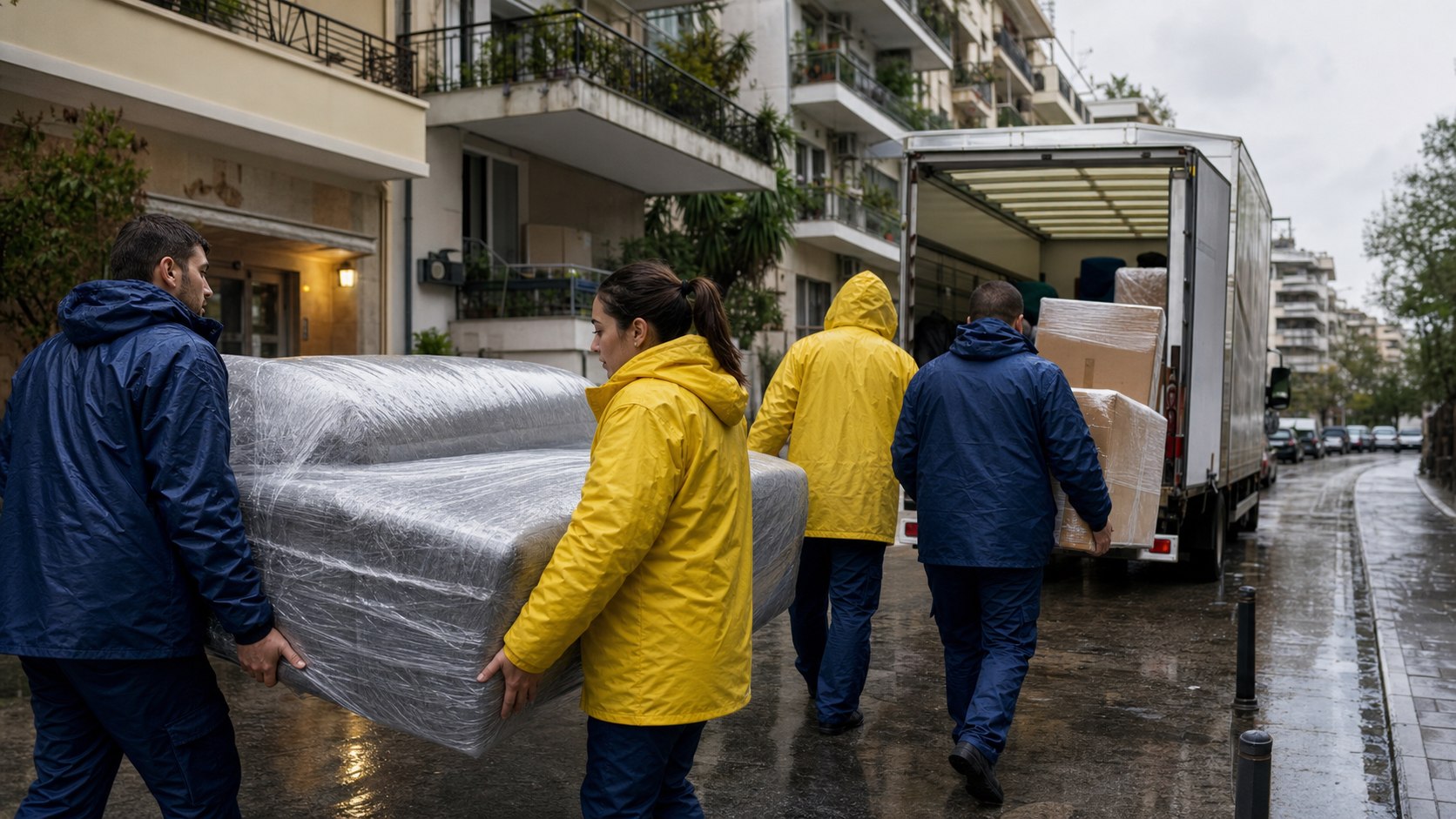
Η moving with rain can be done safely, as long as you organise the process properly and prioritise prevention: slips, moisture in cartons, damage to floors/stairs and delays. Below is a practical guide for Greece (city and country), with steps before and during the transfer.
Quick checklist (10 minutes before you start)
- Check warnings/weather alerts (ideally EMU) and any messages 112.
- Lay non-slip mats/cardboard at entrances and a «dry passage».
- Have stretch film, waterproof covers and contractor bags ready for «last resort protection».
- Take out boxes only when the truck is ready (not on the wet pavement).
- Keep separate electronics/documents in plastic boxes or a double bag.
What changes in moving with rain
Rain increases the risk of «softening» the carton, slipping surfaces and moisture getting into fabrics/wood. The right plan is not to do everything faster, but more controlled by: fewer exposed objects at a time and more protection at contact points (entrances, stairs, ramps, trolleys).
Before the day of the move
1) Watch the weather in time and keep a «window»
From 3-5 days before, watch the warnings and forecast. If there is an indication of severe weather, consider an alternative plan (e.g. transfer to another time of day or another day). For official updates, see the warnings of EMY and the Civil Protection directives.
2) Secure the right materials (the difference is shown here)
- stretch film and waterproof covers for furniture.
- Contractor bags (thick) for quick protection in boxes/electronics.
- Absorbent sails, broom/mop and a small «sliding» hose (if you have one).
- Anti-slip mats for entrance and steps.
3) Make a clear classification: «moisture resistant» vs «not resistant»
Put documents, electronics, photos, fabrics and delicate pieces of wood in a separate group. Ideally use plastic boxes/bins for anything that shouldn't get wet.
On moving day: safe moves step-by-step
1) Set up a «dry zone» at the entrance
Lay cardboard or protective nylon where people pass and place a mat on the door. Sweep frequently to reduce slips and mud. If there is an elevator, watch the floor (wet cart wheels = very easy to slip).
2) Load «waves», not all at once
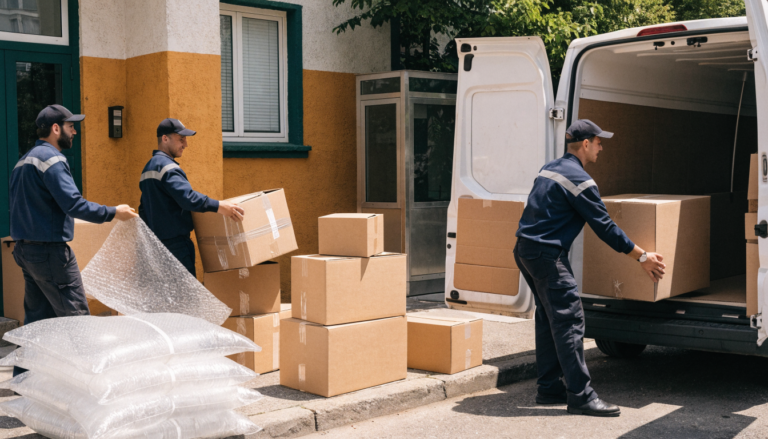
Take out a few items at a time and only when there is an immediate order to get into the vehicle. Boxes should not «sit» on the wet pavement. For cardboard boxes, a quick wrap with plastic wrap on the base/side greatly reduces the risk of tearing.
3) Give priority to heavy/bulky with access control
In rain, stairs are more dangerous. If access is difficult (narrow staircase, many floors, no elevator), one solution is to use the lifting equipment, to reduce the time in slippery areas and make the process safer.
4) Don't ignore 112 messages
If you receive a warning from the 112 for severe weather conditions in your area, follow the instructions and adjust your plan immediately (postpone, change route, avoid underground/flooding points).
Special bad weather scenarios (short and practical)
Moving in the rain
- Cover furniture/floors with waterproof covers before going outside.
- The electronics should go in last and come out first, so that they are less exposed.
- Avoid empty roads with obvious ponding surfaces (risk of water slides/water).
Moving with snow or ice
- Remove snow/ice from steps and sprinkle with salt or sand.
- Reduce weight on boxes and avoid rushing on ramps/sidewalks.
Moving with strong winds
- Be particularly careful of large/light objects (e.g. shelves, frames, cupboard doors) that can be caught in the wind.
- Close doors/carriages securely and tie down loads with straps.
When it makes sense to postpone
If there are official warnings of severe weather, if access to the house is dangerous (ice/flooding) or if you receive a 112 message with instructions to avoid moving, postpone. Safety of people and property is ahead of schedule.
When does a professional moving company help most
In bad weather, an organized team can reduce exposure time, properly protect sensitive items and work with a safer load flow. If you need comprehensive support, check out our services Removals of Prime Transport or, for smaller transfers within the city, the solutions of Prime Transport Microtransports.
Conclusion
With proper preparation, suitable materials and attention to the sliding points, the moving with rain can be completed without stress and without damage. Keep the process controlled, follow official warnings and, if conditions become dangerous, opt for a postponement.
Frequently asked questions
Is it raining moving or is it better to postpone?;
It is done when the rain is manageable and there is proper protection. But if there are official severe weather warnings or a 112 message with travel restriction instructions, postpone.
How do I protect cartons and electronics during a move in the rain?;
Keep the boxes indoors/tight and only take out a few for immediate loading. For electronics/documents, go for plastic boxes or double contractor bag and extra foil wrapping.
What do I do to reduce the risk of slipping on stairs and entrance?;
Lay non-slip mats, wipe away water/mud frequently and use shoes with non-slip soles and gloves with good grip. If access is too difficult, consider a hoist to limit time on slippery spots.
Does bad weather affect the time or cost of moving?;
It usually affects the time, because more protection steps and a slower pace are required for safety. The final cost depends on volume, access and whether additional equipment (e.g. hoist) is needed.
How does Prime Movers help with a move in the rain?;
With an organised loading flow, proper protection of furniture/sensitive items and selection of appropriate means (such as a hoist where necessary), to make the move in the rain safer and more predictable.