20+ years of experienceOrganization, proper crew and safe handling of the building.







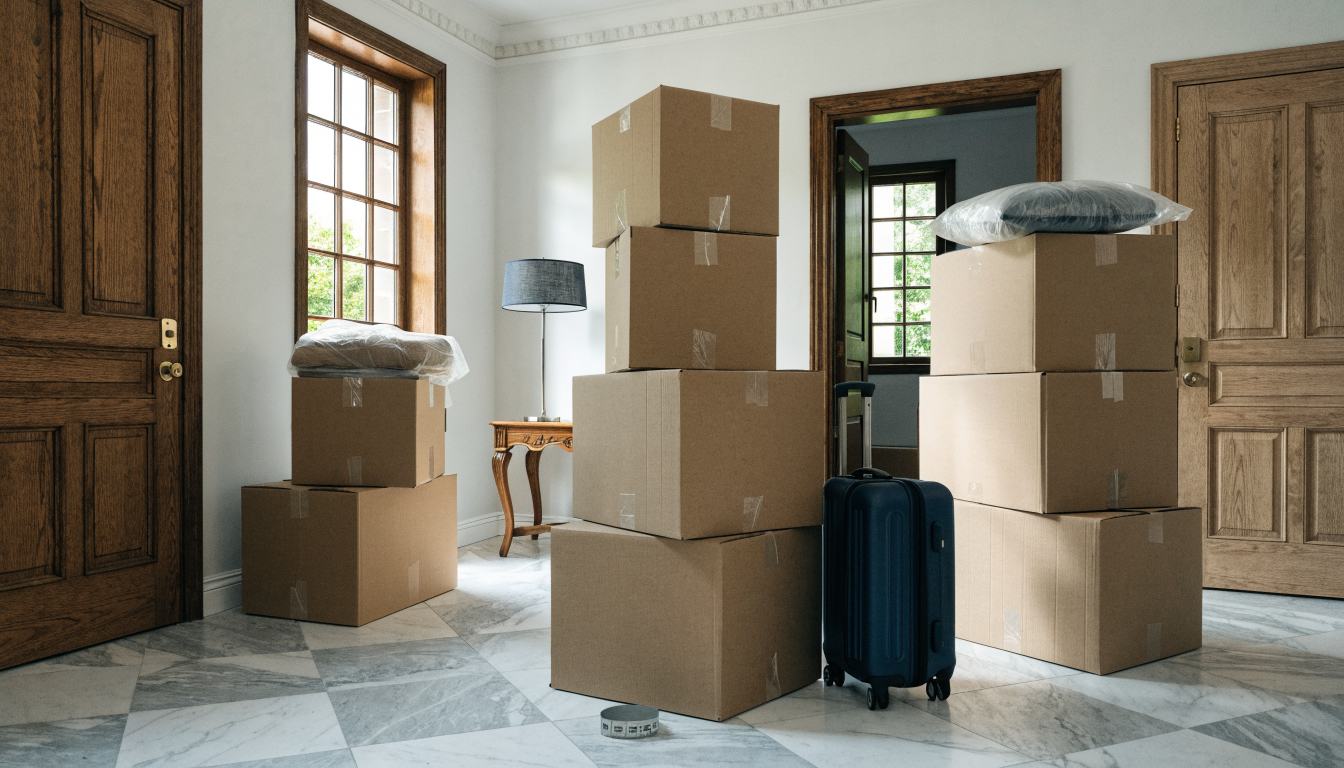
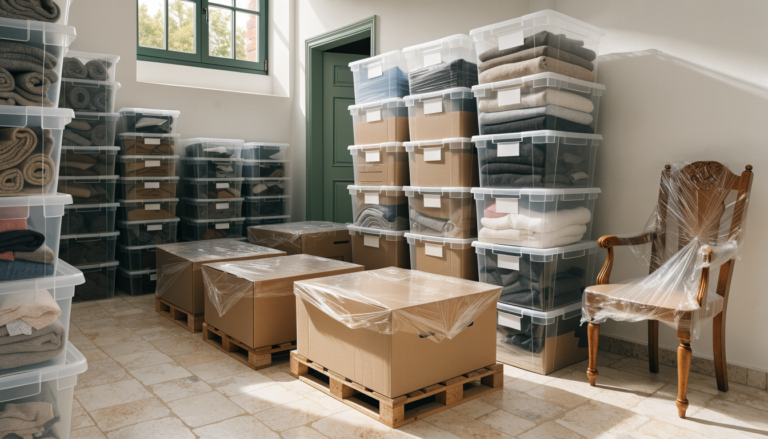
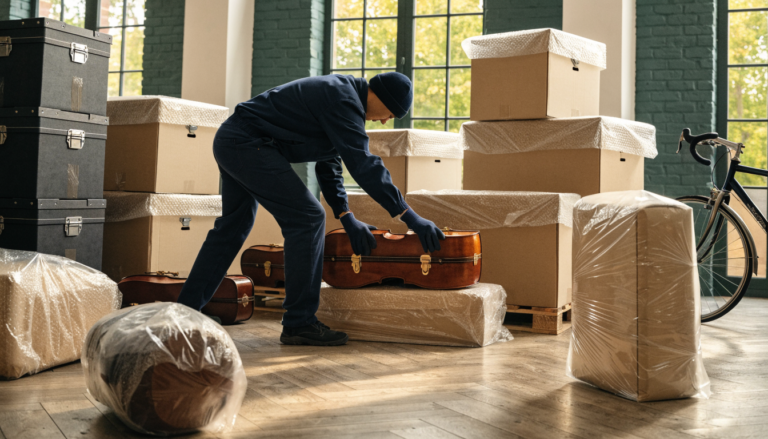
For correct Calculating Space for Seasonal Items When Moving, don't just estimate «by eye» from closets and shelves. Take inventory, fill 2–3 boxes as a test run to see how they'll fit, and measure them external Measure their dimensions and list bulky items separately (e.g., bicycle, artificial tree). Finally, plan a loading order so that you can access «essentials» when the season changes.
What is considered «seasonal» and why does it affect volume?
Seasonal items are those that aren’t used year-round, such as winter/summer clothing, blankets and linens, holiday decorations, beach gear, tents/sleeping bags, sports equipment (e.g., bicycles), and suitcases.
When moving, they «mess up» the calculations because:
- are scattered around (loft, storage room, closets, under beds),
- change in volume when packaged (especially fabrics),
- You need to put them in the right order so you don't have to search through all the boxes later.
If you're organizing a household move, a realistic estimate helps ensure proper planning for loading and unloading and avoids delays on moving day. For support throughout the process, check out the service Movers of Prime Transport.
Step-by-Step: Calculating Space Using Actual Measurements
1) Take inventory at all locations (including the «tricky» ones)
Start with the places we usually overlook: loft, top shelves of the closet, storage room, under the beds, apartment building storage (if available), and any second home or vacation home. Make a list by category (clothing, linens, home decor, outdoor/sports gear) and note:
- when it was last used,
- when will it be needed again,
- if it is a «necessity» for the first few weeks.
This way, you can figure out what will go in the main household set and what can be stored further back.
2) Measure the volume of the packed boxes (not an open closet)
The actual volume becomes apparent once the items are placed in their final packaging. Fill 2–3 boxes as a test «as you would normally seal them» and measure their external dimensions: length × width × height.
Next:
- Calculate the volume per box (e.g., in cubic meters),
- Estimate how many of these boxes you will need in total for each category,
- Keep a little «buffer» for things that get left behind (e.g., closets, utility rooms).
In this way, the Calculating Space for Seasonal Items When Moving is based on data, not on impressions.
3) Set aside bulky or awkward items as «pieces»
Some seasonal items don’t fit easily into a box or require special handling: an artificial tree in a large case, a bicycle, a surfboard, a beach cart, or a large gear bag. List them separately as individual items and note:
- dimensions or at least a photo for a realistic assessment,
- if they need protection (straps, blankets, corner protectors),
- how they should be loaded so they aren't crushed.
4) Calculate «access space,» not just storage space
A space may be big enough in theory, but it might not be practical. If you pack everything in without leaving any gaps, you may have to unpack half of it the first time the season changes just to find a jacket or some decorations. Set aside a «retrieval zone» (a hallway or an easily accessible stack) and organize the boxes by priority.
Quick Checklist Before Loading
- Inventory: List by category and by location (closet/attic/storage room).
- Sample package: 2–3 full, sealed boxes, with external dimensions measured.
- Bulky items: A separate list + photos where necessary.
- Delivery sequence: What do you want to be the first thing to arrive/be set up in the new house?.
- Access to the property: floor, elevator, narrow stairways/hallways, parking spot near the entrance.
- Restrictions/special items: manufacturer's instructions (e.g., batteries, pressurized containers) and timely updates.
Packaging by Category: What's «Inflating» and What's at Risk
Textiles (clothing, bedding, linens)
Pack only clean and completely dry. Group items by person and season (e.g., «Winter – Helen») so you don’t have to open ten boxes just to find one item. Keep anything that needs cleaning or repair separate so it doesn’t get «lost» in storage.
Fragile items (ornaments, glassware, ceramics)
Use dividers and padding to keep the contents from shifting. Do not place heavy objects on top, and keep all the parts of each set together (e.g., base, ornaments, hooks).
Vacation and Outdoor Gear
Clean and dry the item thoroughly before sealing the package to prevent odors and mold. For items containing batteries or with special specifications (depending on the product), follow the manufacturer’s instructions and notify the carrier in advance so that the proper loading procedure can be arranged.
Where to Place Them in the New Home: Criteria for Space and Conditions
Measure it truly useful space (not just square footage) and check conditions such as humidity, ventilation, and cleanliness. A lockable storage unit that’s damp can damage fabrics, paper, and decorative items within a few months.
If you plan to store a lot of items in an apartment building’s storage area or on a floor that’s hard to access, think ahead about how you’ll get them up and down. In cases involving a narrow stairwell, great height, or bulky items, the lifting equipment They can reduce travel time and the risk of damage, provided they can be safely installed on the road.
Labeling and Inventory: So Seasonal Items Don’t Get «Lost» After a Move
Instead of general tags like «Winter,» write:
- who it belongs to,
- sample content,
- if it is a «basic necessity.».
Assign codes (e.g., EP-01, EP-02) and keep a corresponding list on your cell phone or in a shared file. It’s also very handy to take a quick photo of the contents before closing the box.
Common mistakes that increase space, time, and cost
- Estimation «by eye»: The closet doesn't look very big, but the boxes fill up quickly.
- All together, in no particular order: It makes access difficult and delays the resolution of the issue.
- Lack of signage: You're opening too many boxes for just one item.
- Wet/unwashed fabrics: It increases the risk of odors and mold.
- Failure to report bulky items: This makes load planning and safe stacking difficult.
What to Send to the Shipping Company for a More Accurate Estimate
To ensure proper planning, provide a clear picture by:
- number of boxes per category (especially for seasonal items),
- a list of bulky items with basic dimensions or photos,
- access information (floor, elevator, narrow staircases, parking availability),
- specific delivery/unpacking instructions (e.g., «the seasonal change box must be accessible»).
The more accurate the inventory is, the more smoothly loading and unloading proceed, especially when there are many storage areas or «difficult» bulky items.
Helpful Answers
Frequently asked questions
How do you calculate the space needed for seasonal items when moving?;
Take inventory, pack 2–3 boxes as a test run to see how they’ll be sealed, measure their external dimensions, and scale up the number of boxes accordingly. List bulky items separately and plan for access space, not just storage space.
Should I measure the closet or the boxes?;
The boxes. The actual volume is determined once the items are placed in their final packaging, because the density and stacking pattern change.
How do I organize my seasonal items so I can find them easily after the move?;
Group items by person and season, label them with a description and box code, and keep a digital list. Put together an «emergency» box to be delivered or opened first.
Do Christmas decorations require special packaging?;
Yes. Use dividers and protective material, avoid placing heavy items on top, and keep all the parts of each set together so they don't get lost.
When should I notify the shipping company about bulky seasonal items?;
Starting with the bidding phase. The list of boxes, photos and dimensions of bulky items, access details (floor, elevator, stairs), and the delivery schedule all help ensure proper planning.
Documentation and Useful Resources