
20+ years of experienceOrganization, proper crew and safe handling of the building.
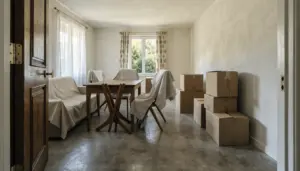








Moving is one of those processes that reveal everything: organization, composure, details. The mistakes in moving are frequent - and usually cost in time, money or damage. Below is a practical guide to prevent them, with examples that fit the Greek reality (apartment buildings, narrow streets, parking, communal areas).
Quick checklist: date & schedule, volume recording, access/parking, packing materials, clear agreement with carrier, furniture/appliance protection, basic address changes, quiet hours/building rules.
1. Start slowly (or without a timetable)
The most common of moving mistakes is last-minute planning. Ideally, start 4-8 weeks in advance: set a date, take inventory, schedule packing by room, and book available team/vehicle well in advance.
2. Underestimate the volume and access
«A few boxes» is one thing and reality is another. Count about: number of boxes, large furniture, appliances, as well as Accessed at (stairs/elevators, narrow passages, parking restrictions). On difficult floors or narrow staircases, solutions such as lifting equipment reduce risk and time.
3. You don't clean up before packing
Move what you don't need and pay... to move it. Before the first box is opened, start with «keep/give/recycle/recycle/drop» by space. Uncluttering reduces volume and simplifies setup in the new home.
4. Do packaging without a system (and without proper labeling)
Poor labeling, excessive weight in boxes, lack of protection and «all of the above» is a recipe for breakage. Keep rules:
- Heavy down, light up - small boxes for books.
- Label on 2 sides: room + content + «fragile» where appropriate.
- Separate «first day box» (chargers, kitchen essentials, tools, stationery).
5. You choose carrier only based on price
A «cheap» bid without a clear job description can come out expensive. Ask for a written agreement: what is included (loading/unloading, dismantling, protective materials, stays, damage conditions) and what not includes. If you need comprehensive service, see the services Movers of Prime.
6. Ignore the parking restrictions and communal charges of the building
In Greece, many problems arise from practical issues: where to park the vehicle, whether it needs access to pavement, how to protect the lift and public spaces. Talk to manager/guests, book lift time well in advance and schedule times that don't create friction.
7. You do not provide for «short transfers» and second legs
Often things are left behind (furniture that doesn't fit, appliances, a few items). For such cases, the microtransports or a cargo taxi can save you without breaking the main move.
8. Make mistakes on moving day
On moving day, mistakes in moving are made out of haste. Designate a person (one person) to coordinate, keep keys/documents on you, photograph sensitive items before loading and confirm route/access to the new place.
9. You do not properly protect fragile and devices
The mistakes in moving can be seen when you arrive at the new house and something is cracked or scratched. Use materials such as bubble wrap, packing paper, cornerstones and moving blankets, and don't overstuff boxes. For electrical appliances, secure cords/pipes, defrost where necessary and protect corners before loading.
10. Skip address changes and critical updates
A sneaky mistake in moving is to finish the move and «forget» the changes: electricity/water/internet provider, banks, subscriptions, courier deliveries, as well as contact details of services where you are concerned. Keep a list of updates and complete them gradually before and immediately after the move.
11. Ignoring quiet hours and condominium regulations
In apartment buildings, noise, elevator use and moving around in public areas can create tension. Coordinate with manager/greeters, schedule reasonable hours (outside of quiet time) and protect floors/walls/elevators. This reduces delays and friction on moving day.
12. You do not provide for storage or a «transitional» period
If the new house is not ready, if the work is delayed or if everything doesn't fit immediately, you need a plan. Provide temporary storage or safe keeping for delicate items so they don't pile up haphazardly and avoid second damage. Proper storage planning is one of the most underrated «moving mistakes».
Closure: the right preparation makes the difference
With a simple schedule, proper packaging and clear communication, the mistakes in moving are drastically reduced. If you want a move without stress and «grey areas», choose a solution with a clear plan and an experienced team.