20+ years of experienceOrganization, proper crew and safe handling of the building.



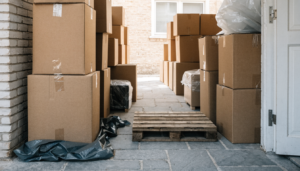



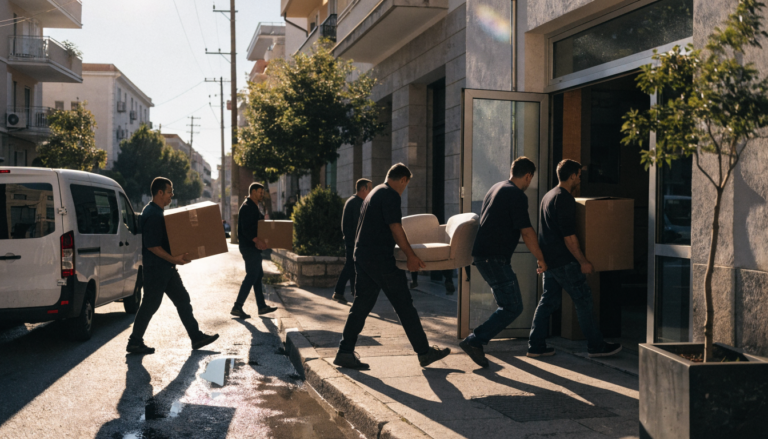
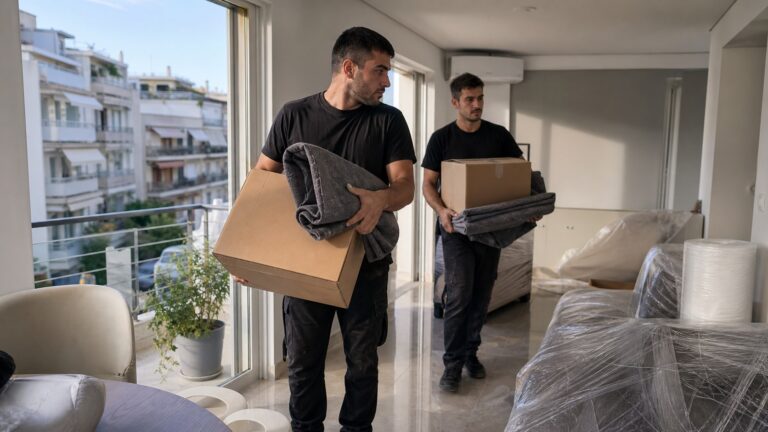
Moving heavy items is one of the most demanding tasks for any professional or online store owner who needs to move equipment, furniture or inventory. Back injuries, contusions and exhaustion are common, especially when proper lifting and handling techniques are not applied. So it's important to know the basic steps for moving heavy items safely, both to protect your health and to avoid damage to your property.
Proper preparation for moving heavy objects
Success in moving heavy items starts with proper planning and preparation. List all heavy items to be moved and assess your physical condition. If there are items that exceed 25 pounds, consider using specialized moving tools or even outsourcing the job to professional movers. Tools such as lifting straps, carts and ramps make it easier and safer to handle heavy boxes or appliances.
Evaluation of the transport site and route
Before you start handling heavy loads, make sure the area is clear of obstructions and that there is sufficient space for manoeuvring. Check the floors for slippery surfaces or steps. If the move requires moving through narrow aisles or stairs, then you may need to dismantle some of the heavy furniture or choose a different route.
Techniques for the safe lifting and transport of heavy objects
Lifting objects correctly is crucial to protect the back and spine. Always use your lower limbs when lifting weight, not your waist. Placing the feet in alignment with the object and keeping the knees bent go a long way in preventing moving injuries.
Posture and lifting techniques
These lifting techniques help significantly in avoiding injuries during the move.
Use of tools and aids in the removal of heavy objects
Specialised moving tools such as crossbars, lifting straps and trolleys increase safety and facilitate the transport of heavy loads. Wheels guarantee smooth movement, while wear-resistant gloves offer a better grip. The use of these tools is not only a privilege for professional movers but is also recommended for those who regularly move heavy objects in their daily life or in the e-commerce sector.
Tips to avoid injuries and health problems
According to OSHA (Occupational Safety and Health Administration) surveys, moving injuries make up a significant percentage of workplace accidents, particularly due to poor posture or improper lifting techniques. For effective waist protection in moving:
Communication with professionals and conclusions
Moving heavy objects safely requires awareness, proper planning, equipment and technique. In any case, if you are not sure of your strengths or knowledge, do not hesitate to consult professional movers. Safe transportation of objects is essential for the proper functioning of any business, protecting not only the objects but also the health of people.
Never underestimate the importance of lifting techniques and preparation. Moving heavy objects is a job that requires respect for your body and your limits, as well as the use of the right tools and equipment. With the tips in this guide, you'll be one step ahead in protecting your back when moving and reducing the risk of injury.
Sources:
https://movingaheadservices.com/how-to-pack-heavy-items-without-injuring-your-back/
https://www.osha.gov/
https://www.verywellhealth.com/how-to-lift-heavy-objects-safely-297238