20+ years of experienceOrganization, proper crew and safe handling of the building.

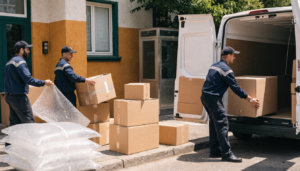



Kitchen packing is usually the most demanding and time-consuming part of any move. Finding safe, convenient and economical ways to move kitchens can be a real challenge, especially when you want to avoid excessive weight in boxes and prevent any damage to kitchenware and glassware. In this guide, you'll discover practical tips, examples and advice on packing kitchens properly, focusing on moving without heavy boxes, helping to move kitchen equipment more safely, organised and quickly.
Why does efficient kitchen packaging make a difference in moving?;
Packing your kitchen with the right methodology ensures that your equipment and utensils arrive intact in the new space, minimising risks and making unpacking and tidying easier. By focusing on moving without boxes, you can avoid injury or breakage of delicate utensils, significantly reduce the weight of packing and use eco-friendly solutions that respect the environment. By using smart recycling materials and fabric cases instead of traditional boxes and bubble wrap, you also help to reduce costs. Based on recent research, proper moving organization saves up to 40% in time and 20% in moving costs (Moving.org, 2023).
Organizing a kitchen move: Preparation and sorting
Proper kitchen packaging starts with the organisation and sorting of items. A good practice is to divide your kitchenware into categories, such as glassware, cookware, green or plastic items, dishes and small appliances. Then decide which appliances and items you will take with you and which you don't need - a process that helps reduce the volume and weight of packing. You can donate, recycle or sell what you don't use.
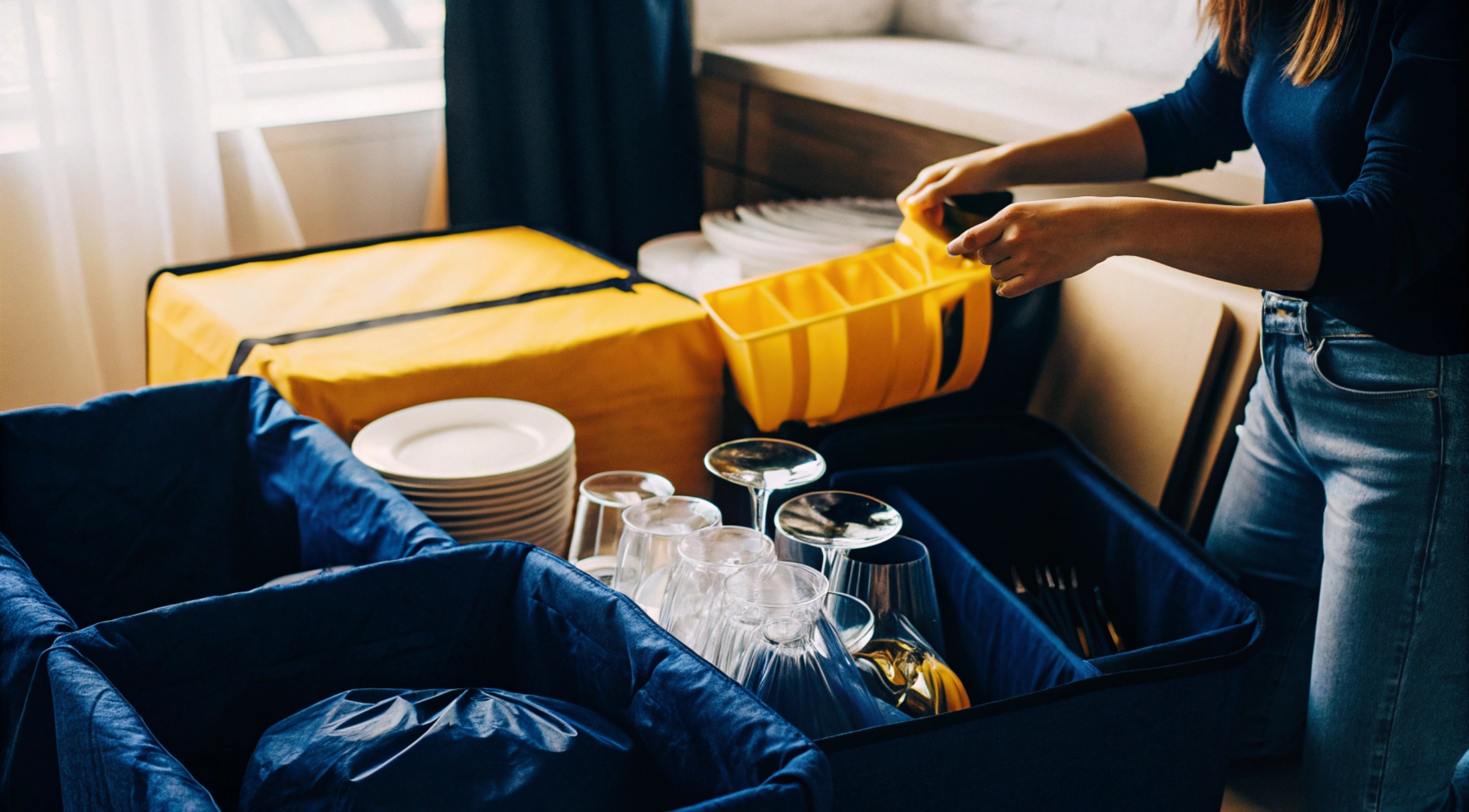
Materials you will need for moving without boxes include: cloth bags, reusable bags, pillowcases, towels, eco-friendly protective wraps, and plastic containers already in the house. Cutlery is placed in cloth rolls, Tupperware and bowls are filled with small items, and more fragile glassware is wrapped with towels or newspapers.
Proper packaging of cookware and glassware: a practical guide
It is important, when packing the kitchen, to pay particular attention to the protection of glassware and cookware. Follow the step-by-step instructions below for safe transport of cookers:
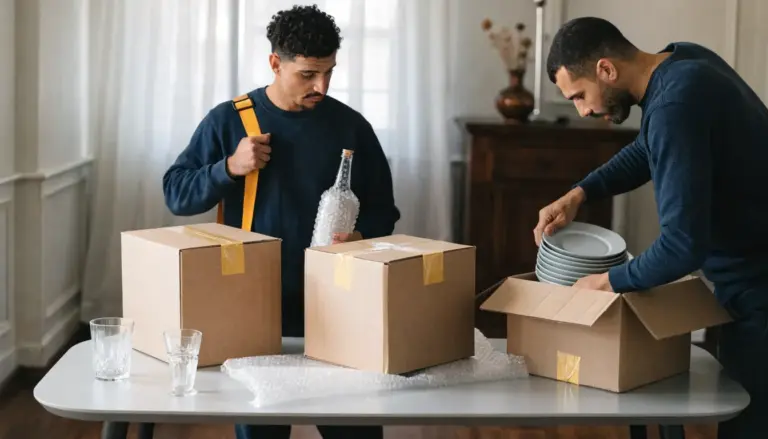
How to pack dishes and glassware without boxes
Place soft fabrics, such as towels or towels, between dishes to avoid bumps. Glassware can be wrapped in handkerchiefs, folding the ends inwards. For even greater protection, use elastic zippered bags or small eco-baskets.
Correct storage and transport of cooking utensils
The pots and pans can be stacked inside each other, with a thick towel between them. Avoid placing heavy utensils in the same bag to reduce overall weight and make them easier to carry. Store lids vertically between soft objects to prevent breakage.
Smart tips for moving your kitchen without heavy boxes
Moving a kitchen without boxes is not only possible, but often more practical! Here are some tried and tested tips:
- Use pans or deep plates to separate small objects or bottles.
- Transport your spices in sealed bags or jars with a safety lid, placing them in containers with a protective filling.
- Pour dry food into airtight bags and place them in cloth bags or transport baskets.
- Put the cutlery on towels, wrapping them like a roll.
- For taffy items such as coffee pots or blenders, store them in baskets with kitchen paper or foam sheet.
Always choose eco-friendly materials, reducing the use of plastic and bubble wrap insulation. In this way, you contribute to a sustainable move and save money and time.
Ecological and economical kitchen packaging: Advantages & research
Eco-friendly kitchen packaging reduces the environmental footprint of the move, while using materials that are already in your home helps you have a cheaper kitchen move. According to research by the Environmental Protection Agency (EPA), using recyclable or cloth containers instead of plastic bags reduces the waste of a move by 80%. At the same time, utilizing existing shipping containers also minimizes financial costs by avoiding unnecessary costs of purchasing packaging materials.
Conclusions for kitchen packaging and tips for a smooth move
Kitchen packaging can be made easy, safe and environmentally friendly if you organise yourself properly and choose the right materials. Make the most of the items you already own, reducing weight and moving costs, while protecting your valuable kitchenware and glassware. Following the above kitchen moving tips will make the moving experience more enjoyable and less stressful. Don't forget to trust authoritative sources and apply new methods to optimize how you manage kitchen packing, contributing to modern and eco-friendly home moving.
Sources:
https://movingaheadservices.com/how-to-pack-your-kitchen-without-boxes-getting-too-heavy/
https://www.epa.gov/smm/sustainable-management-materials-non-hazardous-materials-and-waste-management-hierarchy
https://www.moving.org/preparing-to-move/
https://www.livingspaces.com/inspiration/ideas-advice/guides/how-to-pack-a-kitchen