
20+ years of experienceOrganization, proper crew and safe handling of the building.








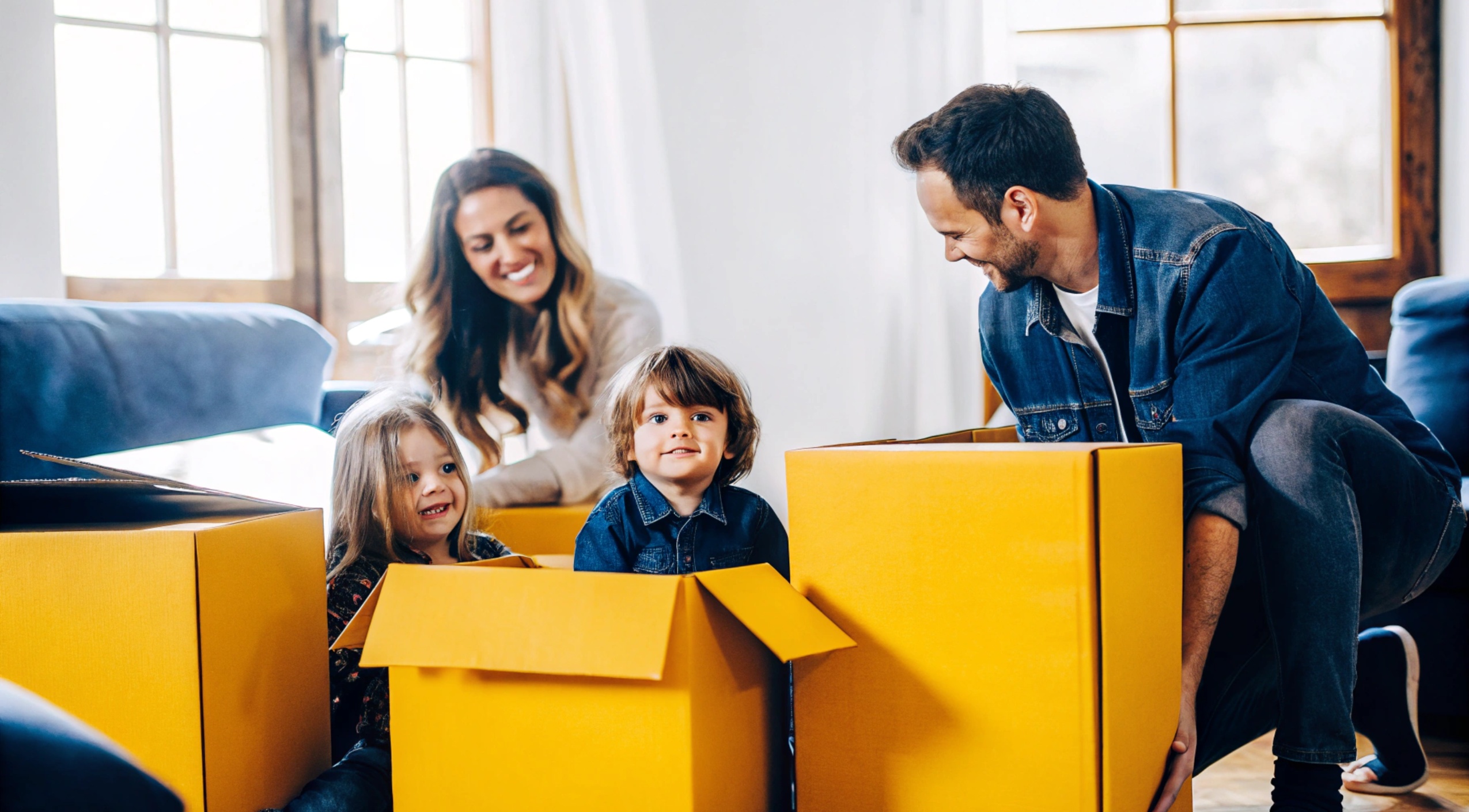
Moving with children is a particularly demanding process for any family. It is a transition that affects not only the adults, but especially the children, who have to leave their familiar environment and adapt to a new home, possibly a new school and new social conditions. To make the move with children as smooth as possible, there are practical tips, specific preparation steps and support techniques to improve the overall experience of moving home with children.
The psychology of children in the move
Preparing children for moving starts with understanding their psychology. Children often feel anxiety, uncertainty or fear when experiencing a major change such as moving. Research such as that of the American Academy of Child & Adolescent Psychiatry shows that children are psychologically affected by moving at an early age, and later if the environment does not support a smooth transition. By acknowledging uncomfortable feelings and talking openly with your children about what is about to change, you can mitigate their fears and anxiety, which is key to a successful family move.
Communication and information
Communication with children about the move should be done honestly. Explain the reasons for the move, the benefits and expectations, while listening to their concerns. Give space for questions and share how you feel too. This helps them not feel alone in the process of moving home with children.
Practical guides: Step by step moving with children
Organized preparation of children for moving can make a huge difference. Here are the key steps to consider for an effective move with children.
1. Involve children in the process
Pick out the things they will take to the new home together, let them pack their favourite items and give them small responsibilities. This way, changing home with children becomes their personal affair and you reinforce their sense of security.
2. Maintain their routine
As much as possible, keep the basics of their daily life, such as meals, sleep and their favourite activities, stable. Sticking to a routine reduces stress and helps children adjust to a new home.
3. Arrange for the transition to the new school
Moving and school is an important axis. Visit the new neighborhood, school, and meet the teacher together. Talk about new friends, activities, and the changes they will encounter.
Managing children's emotions in moving house
Managing children's stress in moving is an ongoing process, both before and after the move. Encourage them to express their feelings, tell them that it is normal to feel goodbye, sadness, and even excitement about the new beginning for the family. A good idea is for them to keep a feelings journal or draw scenes of their old and new home.
Practical examples of management
- Create a farewell party with friends and neighbours.
- Photograph together important areas of the old house.
- Brainstorm how they will decorate their new space.
Support for children after moving
Adapting children to a new home does not stop on the day of the move. Continue to talk about the new circumstances, listen to their new behaviours and seek solutions together to any minor problems that arise.
Tips for parents on moving
- Be patient and willing to give time to adjust.
- Do positive activities in the new environment (e.g. walk around the neighbourhood, visit a playground).
- Keep in touch with old friends, if possible, so they don't feel isolated.
Final thoughts on moving with children
A successful move with children is based on proper preparation, communication, understanding and psychological support. Following the above tips for moving with children can make the process not only less stressful but also an opportunity to strengthen family bonds and positive experiences. Invest time in explaining, listen to your children and be understanding of their small reactions. A family move can turn into a new beginning full of opportunities and wonderful memories for everyone.