20+ years of experienceOrganization, proper crew and safe handling of the building.
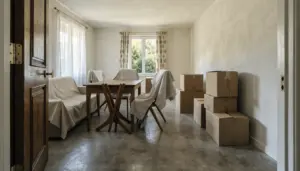

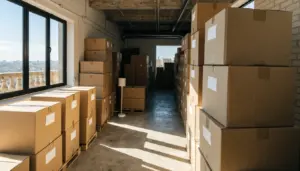





Comparing Storage Spaces Before the Move You’re doing it right when you check these 5 things: actual space/volume, access (hours & entrance), conditions (humidity/ventilation), safety & liability, and the final cost with all terms in writing. This way, you’ll avoid double trips, damage, and «fine print» that pops up when it’s time to pick up your belongings.
1) Start with the actual need (what, how much, for how long)
Before requesting quotes, make a list of What exactly do you store?, for how long and who needs access. A rough estimate will result either in more space than you need (and thus unnecessary costs) or in overcrowding, which increases the risk of damage.
- Inventory: List by room (living room/bedroom/kitchen), numbered boxes.
- Photos: especially for furniture, electrical appliances, and fragile items.
- Basic dimensions: sofa, bed, refrigerator, closet, table.
If storage is a «step in between» two homes, plan it along with your moving schedule. For an organized move/loading, you can check out our services at removals.
2) Access & logistics: hours, admission, parking, elevators
A «good price» doesn’t help if you can’t get in when you need to. Ask for written the actual access conditions and check the entrance on site (if possible).
What to Ask Before Booking
- Hours of operation: Weekdays/Saturdays, holidays, by appointment, or free admission.
- How to enter: code, card, security guard, authentication process.
- Loading/unloading: ramps, carts, aisle width, door/roller shutter height.
- Parking/truck stop: A space for temporary parking that does not block access.
- Elevator or use of a lift: For hard-to-reach areas, consider a solution using lifting equipment in order to reduce time and the risk of damage.
3) Environmental conditions: humidity, ventilation, cleanliness, pests
In Greece, the greatest risks associated with long-term storage are moisture, odors, and poor cleanliness. Ask to see the space or have it described to you clearly the conditions.
Quick review (on-site or from photos)
- Are there visible signs of moisture or mold on the walls or floor?;
- Is there ventilation or a dehumidifier where needed?;
- Are the items elevated (on pallets or shelves) rather than directly on the floor?;
- What is the protocol for cleaning and pest control?;
Practical tip: Avoid placing furniture or boxes right up against the walls. Leave a small gap and create an access aisle so you can take things out without «knocking over» the stack.
4) Insurance & Liability: What's Actually Covered
Security isn't just about cameras. It's a combination of controlled access, proper operation, and clear terms for liability/damages. Ask for the terms in writing and keep a copy.
- Physical security: lighting, fencing, alarm system, entry logging.
- Responsibility: What is considered damage caused by installation, and what is considered damage caused by packaging or stacking?.
- Coverage: If insurance is provided, what is excluded (e.g., valuables, fragile items, certain materials).
- Prohibited items: Request a catalog and comply fully.
5) Contract & Actual Cost: How to Make a Fair Comparison
For proper Comparing Storage Spaces Before the Move, compare them using the same criteria—not just the «monthly price.» Ask for a detailed quote and make a note of all potential costs.
Costs That Are Often Overlooked
- Minimum lease term and notice of termination.
- Guarantee, application/processing fees, after-hours access charges.
- Fee for padlocking/sealing, packaging materials, pallets/shelves.
- Transportation costs to/from the warehouse (loading/unloading, additional labor costs).
Tip: Ask them to provide you with a single-sentence breakdown of the «total amount due» for the time period you’re interested in, including all charges. This will allow you to compare two options on an equal footing.
10-Point Checklist to Help You Decide in 15 Minutes
- Do I have an inventory/photos and a volume estimate?;
- Can I access the facility on the days and at the times I need?;
- Is the entrance wide enough for a truck, and can loading be done easily and safely?;
- Is there a solution for heavy objects (elevator/lifting)?;
- Is the area clean, dry, and free of excessive moisture or odors?;
- Will the items be off the floor (on pallets/raised)?;
- Is it clear what is allowed and what is prohibited?;
- Are there clear terms regarding liability and coverage?;
- Do I have a written cost breakdown (not just «from…/month»)?;
- I know how to process returns and receive shipments without delays.;
Packaging & Organization Inside the Warehouse (to Reduce Damage)
Even the best installation can't «make up for» poor packaging. The goal is for items to withstand the test of time, stacking, and transport.
- Count the boxes and keep a digital copy of the list as well.
- Fragile on the front?; No. Fragile items are packed securely and stably, without any weight on top of them.
- Access path: Leave some space so you can reach «box 7» without having to take everything out.
- Disassembly: When needed, it helps reduce bulk and protect connections. If you need assistance, check out the furniture assembly.
Frequently asked questions
When should I reserve storage space before moving?;
Once the key dates (home handover and move-in) are finalized, check availability and written terms. This way, you can avoid last-minute decisions that cost you time and money.
How do I correctly calculate the space I need?;
Measure the bulky items, calculate the number of boxes, and estimate access corridor. Photos and dimensions help ensure that the quote is realistic and that you don't end up paying for more space than you need.
What should I request in writing to compare storage spaces before moving?;
Duration/minimum rental period, total cost including all fees, hours of operation and access procedures, rules regarding humidity and cleanliness, termination procedure, and terms of liability or any coverage.
Is an inventory and photos required before storage?;
Yes. Number the boxes, take photos of valuable or fragile items, and keep a copy of the list outside the storage area (e.g., on your phone or in the cloud). This makes it easier to check, organize, and search for items if needed.
Can I store anything?;
No. Ask for the venue’s rules and make sure to exclude prohibited, dangerous, fragile, or illegal items. The restrictions must be clear before you sign.
Sources & Useful References
- EUR-Lex (European Legislation) – General principles regarding contracts and consumer rights in the EU.
- Consumer Ombudsman – providing information and resolving consumer disputes.
- AADE – practical information on documents/transactions (where applicable).