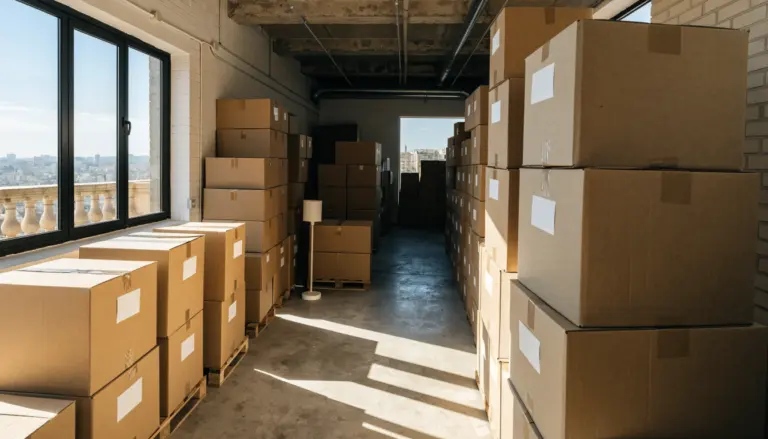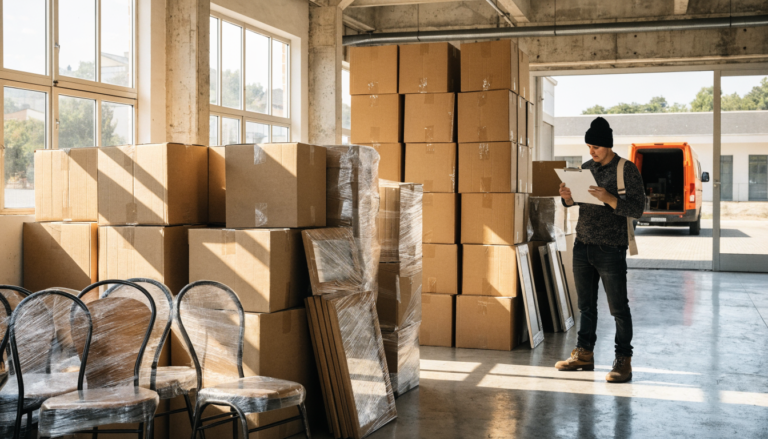
20+ years of experienceOrganization, proper crew and safe handling of the building.



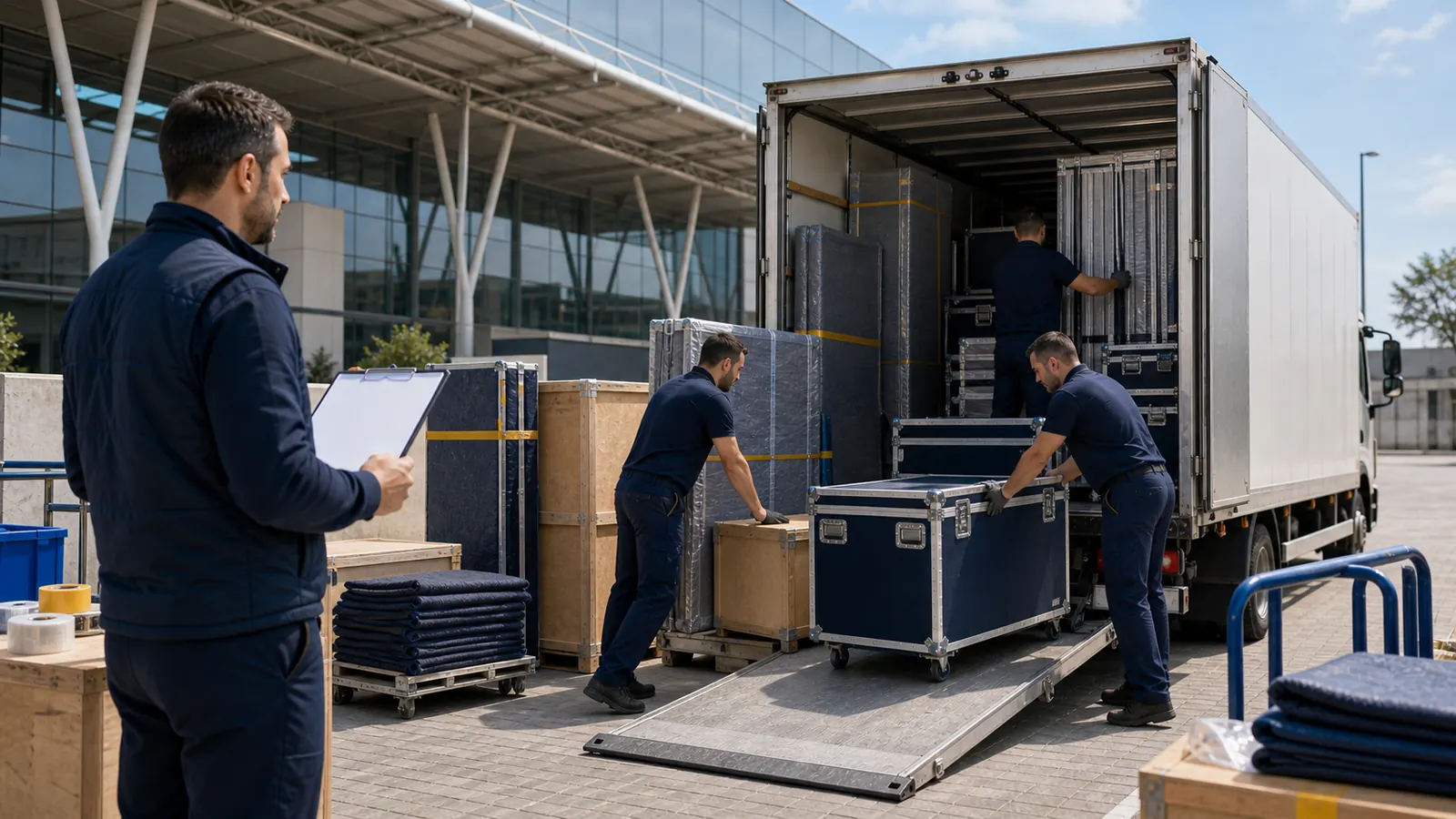
Η transport of exhibition equipment is not a «simple move». It has narrow time windows (set-up/break-down), specific regulations for entry into exhibition centres and often sensitive/expensive materials (AV, samples, structures, graphics). If properly organized, you reduce delays, damage and unexpected costs.
Quick summary
- Record exactly what is being transported (dimensions/weight/fragile).
- Check the rules of the site (loading hours, access, access cards).
- Pack for Transfer (not just for storage) and mark it correctly.
- Set loading/unloading sequence for quick stand set-up.
- Cover insurance/responsibilities and keep a «report folder» with all items.
What the transport of exhibition equipment includes
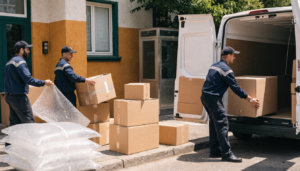
Usually includes: pick-up from warehouse/office, packing, loading, transport, entry to the exhibition site, unloading and delivery to the stand (and vice versa at the end). Depending on the exhibition, additional: arrival appointments, use of forklifts/ pallet trucks, special box marking, or transportation to multiple locations may be required.
Step 1: Inventory and specifications (inventory)
Start with a practical list:
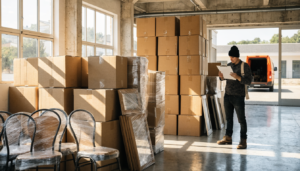
- Pieces per category (graphics, stand, samples, lighting, screens/PC, brochures).
- Dimensions/weight per box or pallet.
- Fragile/sensitive and what needs «upright», «non-stacking», «fragile».
- What must come first to start the set-up.
If you have many small items, make «rows of boxes» per booth zone (e.g., lighting, graphics, countertop) so they open in order.
Step 2: Timing and rules of the site
Each exhibition centre has procedures for vehicle access, loading and use of equipment. For example, at TIF-HELEXPO venues there are operating rules and responsibilities that you need to be aware of before arriving at the venue. Always read the organiser's and the exhibition centre's instructions and make appointments/slots where required.
In Greece, you will often find exhibitions in:
- Thessaloniki International Exhibition & Conference Centre (TIF-HELEXPO)
- Metropolitan Expo (Athens Airport area)
- MEC Peania
Tip: Keep a «report folder» (PDF or hard copy) with: access maps, unloading schedules, responsible person details, entry cards/permits, box list and unloading order.
Step 3: Packaging that can withstand the journey and set-up
The right packaging for transporting exhibition equipment aims to protection and setting speed:
- For AV/sensitive: hard boxes or flight cases where possible.
- For graphics/roll-ups: tubes/holders with edge protection.
- For heavy/many: pallets with corners, stretch and correct binding.
- Clearly marked: «fragile», «top side», «non-stacking», «1/6 box».
For packaging instructions for fragile, see also our guide: how to pack fragile objects without breaking them.
Step 4: Vehicle, access and loading equipment
The choice of vehicle affects time and cost. For small quantities/urban routes they can serve cargo taxi ή microtransports. For larger stands, organise a truck with proper access, pallet truck or forklift where permitted.
If there are floors/narrow entrances or bulky objects need to be lifted quickly, see the solution with lifting equipment.
Step 5: Insurance, responsibilities and delivery control
Before transportation, clear:
- What is covered by transport insurance (especially for expensive equipment/electronics).
- Who is responsible at each stage (collection, transport, delivery to the site).
- How is the control at the reception (list of boxes, status photos).
See also our article on insurance: why exhibition equipment needs insurance.
Step 6: Delivery, set-up and return
Plan in advance for the «reverse» process (unpacking/returning). Prepare repackaging materials, distinguish between what goes back immediately and what can be stored, and keep the same labeling logic to avoid wasting time.
Checklist for transporting exhibition equipment
- List of boxes/pallets + photos before loading.
- Order of unloading (what goes in first/last).
- Hours and regulations for access to the site.
- Packing materials/tools (tapes, cutters, binders, binders, binder clips).
- Insurance and contact details.
If you want a more detailed list, see: checklist for smooth transport of exhibition equipment to Greece.
Do you need help with transport?;
Prime Transport organizes the transportation of exhibition equipment with a clear schedule, proper packaging and emphasis on safe delivery to the site. Contact us for an estimate and scheduling: contact page.