20+ years of experienceOrganization, proper crew and safe handling of the building.


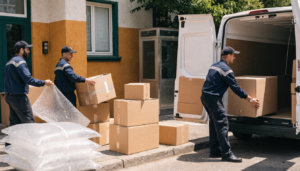
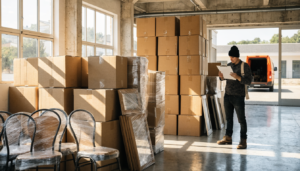


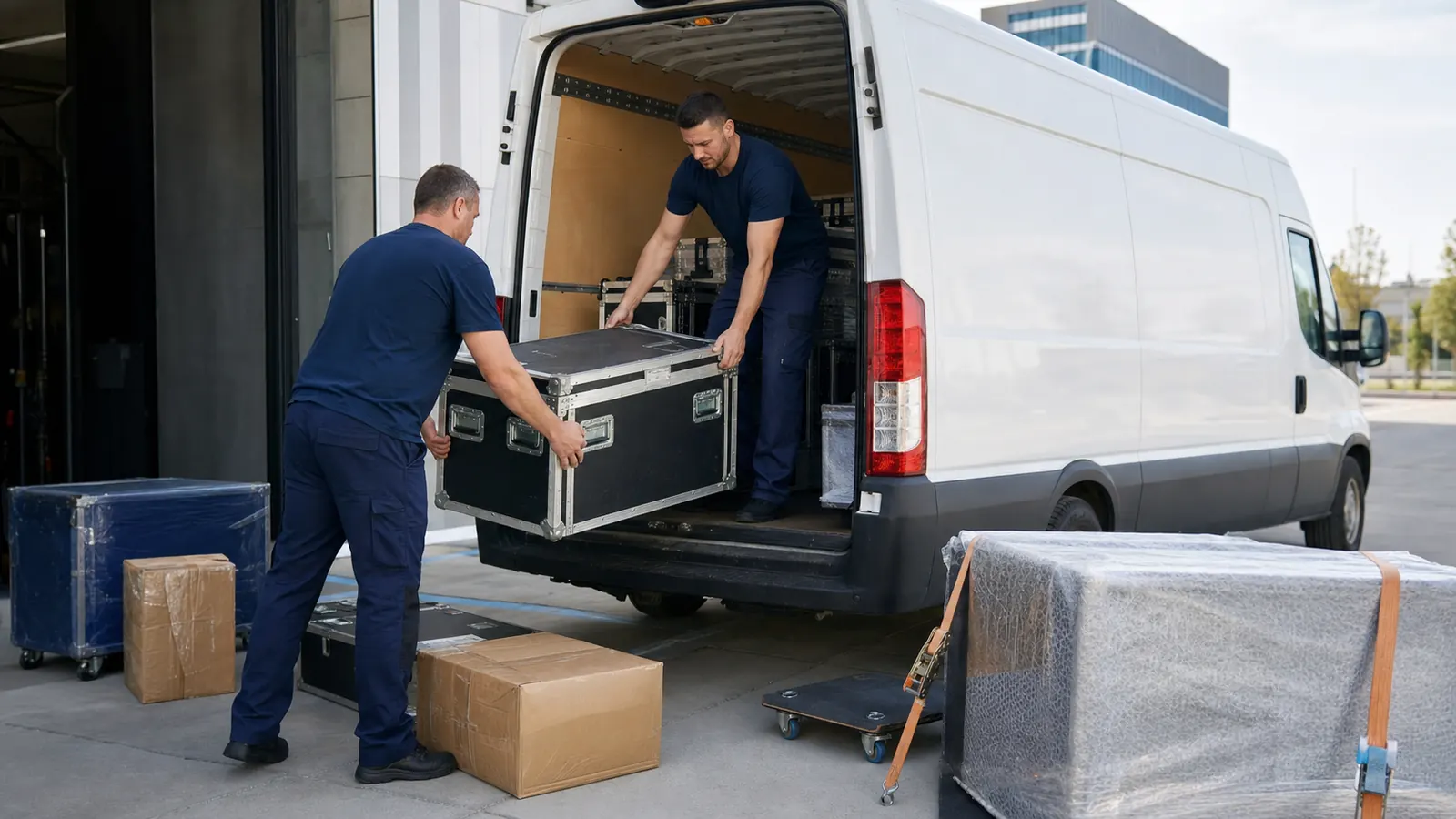
Η exhibition stand packaging is not just «putting everything in boxes». It is a process that protects the exhibition material, reduces assembly time and helps you to present yourself professionally at the exhibition venue (e.g. TIF/HELEXPO, Metropolitan Expo). Below you will find a practical guide, with steps and material choices that fit the reality of Greek exhibition venues.
Quick summary: Take inventory, photograph/number components, protect surfaces (especially prints/plexiglass), pack by «zones» (frame-panel-electrical-promotional material), palletize where necessary and organize delivery/receipt based on the show's loading/unloading schedules.
What to organise before you start packing
Safe transport begins Before the winding. Ideally 5-10 days in advance:
- Inventory (list of panels, frames, luminaires, screens, cables, bases, promotional material).
- Photography of assembly (to be quickly reassembled in the venue).
- Packaging Design by category (e.g. «electrical» in a separate box, «corners/joints» in labelled bags).
- Consultation with the organiser for entry/exit times and unloading points.
Materials that make a difference in exhibition stand packaging
For most stands and exhibits, the following work best:
- Double-wall cartons and reinforced corners for heavy/sharp components.
- Sheet with bubbles (bubble wrap) + foam/foam for shock absorption.
- stretch film for tying a parcel/pallet and protection against dust/moisture.
- Paper or low-tack tape for sensitive surfaces (so that no adhesives are left on prints).
- Mooring straps (ratchet straps) and protective corners for safe loading.
- Pallets or flight cases when the material is expensive, sensitive or frequently reused.
Tip: If the stand travels frequently, invest in reusable boxes/flight cases. They reduce damage, save time and help with return control (nothing «left behind»).
Step-by-step: packaging and labelling without wasted time in set-up
- Disassembly in order: we solve in «modules» (e.g. frame, panels, lighting).
- Part numbering: write a code (e.g. A1, A2) on a small label and note it in the inventory list.
- Surface protection: prints, plexiglass, painted surfaces are first wrapped with paper/foam and then with bubble wrap.
- Homogeneous boxes: each box has «one issue» (e.g. only electrical/connections), so that the workshop can immediately find what is needed in the setup.
- Clear marking: «FLEXIBLE», «PASS», «DON'T SHARE» where appropriate, but also where it belongs (e.g. «Pavilion - Panel Right»).
How to load the exhibition material correctly (without damage to the road)
In the transport of exhibition stands, damage usually results from vibration, poor mooring and incorrect stacking. For this:
- Wherever possible, wrestle and tie with stretch film + straps.
- Put them heavy low and sensitive to pressure/distortion-free positions.
- Keep «gaps» with foam/paper to keep the load from playing.
- If there are large/voluminous items, consider lifting equipment for faster and safer loading.
Delivery in exhibition halls in Greece: what to look out for
Greek venues often have specific hours and loading zones. So as not to get stuck at the last minute:
- Close delivery/receipt slot if required by the organiser.
- You have ready load list and a contact person in the area.
- Forecast time to check boxes before the set-up begins.
- For smaller loads, solutions such as cargo taxi ή microtransports can serve economically and quickly.
Checklist before the stand leaves the warehouse
- Inventory complete + assembly photos.
- Part numbering and clear labels per box.
- Fragile protected (prints, glass, plexiglass, screens).
- Screws/connectors in bags with a label.
- Palletisation/connection where required.
- Contact details and delivery schedule at the venue.
When it is worth having a professional crew take care of it
If the exhibition material is of high value, if the stand is large/complex or if you have tight deadlines, outsourcing reduces risk and time. Prime Transport can assist with safe transportation, proper tie-downs and organising deliveries. For an estimate based on the volume and specifics of the booth, see contact.