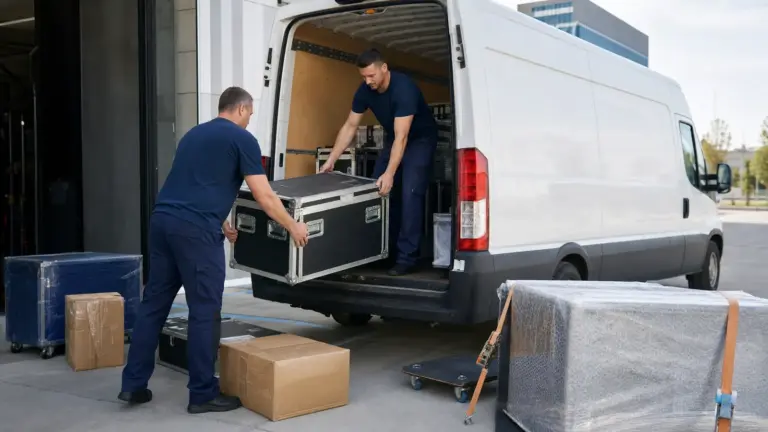
20+ years of experienceOrganization, proper crew and safe handling of the building.





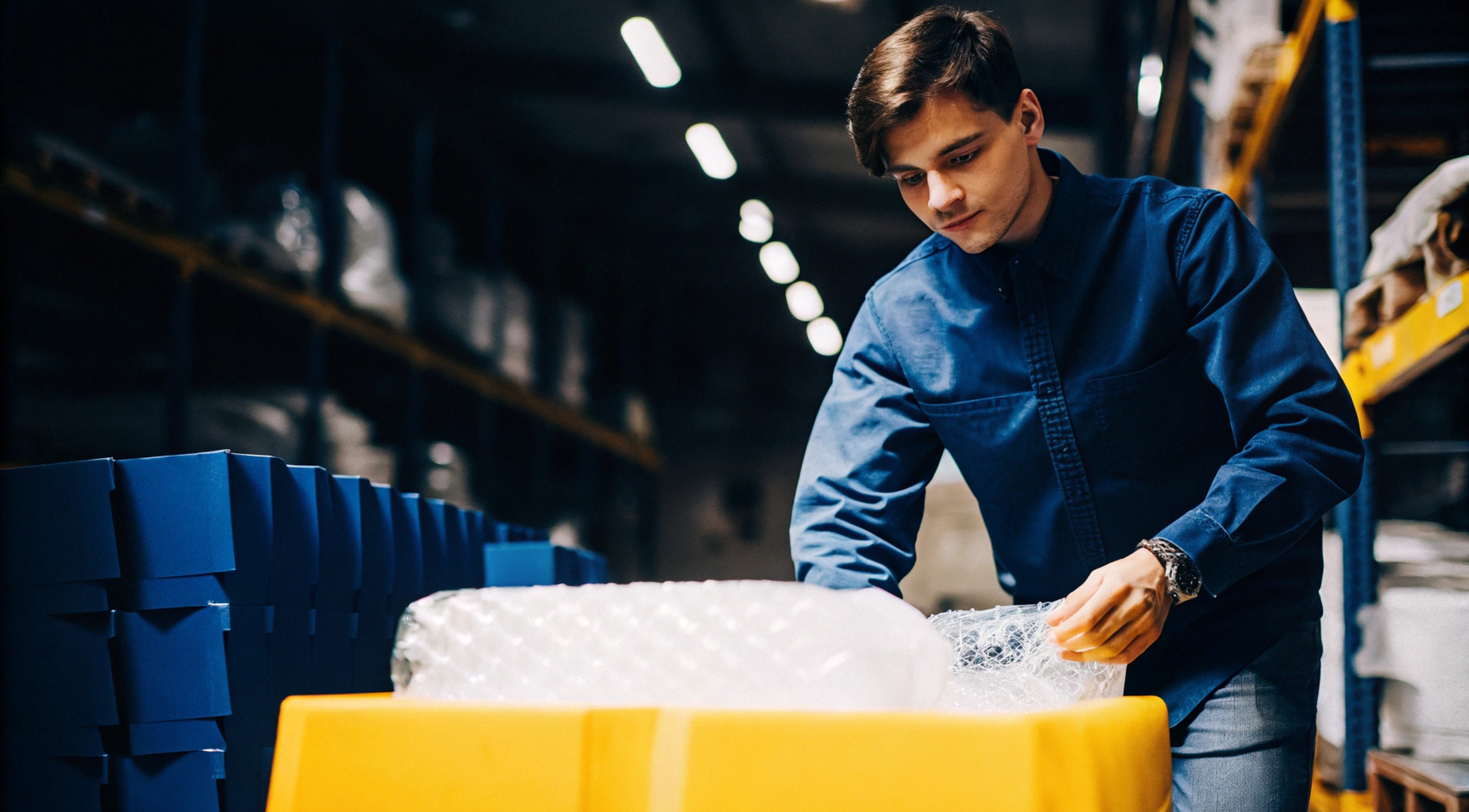
Bubble wrap, also known as aeroplasm, is one of the most widely used packaging materials worldwide. Its invention was almost accidental, when in 1957 Alfred Fielding and Marc Chavannes were trying to create a new wallpaper with a «bubble» texture. In the end, the result was not a success as wallpaper, but it had an excellent application in packaging and protecting fragile objects during moving and transport. Within a few years, bubble wrap became the essential tool for every professional involved in product packaging, e-commerce and industry. Its transparent film filled with small air bubbles creates a protective layer that absorbs shocks and vibrations, ensuring the integrity of the products.
Advantages and basic uses of bubble wrap
Unparalleled protection during transport
One of the main reasons why bubble wrap is a top choice for professionals is the excellent protection during transport. The air bubbles covering the film act as a cushion, distributing the pressure from any drops or impacts and minimising the risk of breakage. For products such as electronics, glassware, ceramics or even artwork, the proper use of bubble wrap is crucial to keep them intact during handling or storage.
Easy implementation and cost savings
Another important advantage of bubble wrap is the ease of application. The bubble wrap sheet is easily cut to any size you need and can be adapted to objects of any dimension and shape, thus speeding up professional packaging and reducing the need for additional packaging materials. It is also an ideal solution for weight reduction during transport, which can result in significant savings on shipping costs - a critical factor for e-shop owners and logistics providers.
Reuse and ecological options
In recent years, there has been increasing interest in eco-friendly bubble wrap and biodegradable bubble wrap that decomposes naturally, reducing the ecological footprint. Many companies prefer to purchase such sheets, both for reuse and to enhance their “green” profile. The bubble wrap market is now keeping pace with modern sustainability needs in packaging.
Types of bubble wrap and how to choose the right one
Different types of bubble wrap
In the market you will find various types of bubble wrap that can be customized according to your needs. The main ones are:
- Bubble wrap with small bubbles: Suitable for small objects, jewellery, electronics and generally for protecting sensitive products.
- Bubble wrap with big bubbles: Ideal for larger and heavier products such as furniture, household items or industrial machinery.
- Bubble wrap resistor: specially designed for the safe transport of electronics or components sensitive to static discharges.
- Biodegradable bubble wrap: it is increasingly chosen by companies that emphasize ecological packaging.
Criteria for bubble wrap selection
Note the following parameters when selecting bubble wrap:
- Size and fragility of the product
- Number of layers (usually 2-3 layers are recommended for increased protection)
- Position of the objects inside the packaging
- Compression resistance and possible environmental requirements (humidity, temperature)
Combine bubble wrap with other packaging materials such as cartons, protective film, packing paper or foam for maximum protection.
Guide to the correct use of bubble wrap - step by step
Proper bubble wrap packaging does not require any special knowledge, but there are a few simple steps to ensure the best results:
1. Place the product in the centre of the airbrush sheet.
2. Wrap the object around the perimeter, making sure the bubbles touch the surface of the object to absorb vibrations.
3. Stabilize the bubble wrap with adhesive tape to prevent it from moving during transport.
4. Place the wrapped object in the packing box, making sure there are no gaps to allow movement inside.
5. For liquid or very perishable products, add another layer of protection with packing paper or foam.
By following these steps, you ensure maximum protection when moving or professionally shipping goods.
Statistics & research on the use of bubble wrap in the packaging industry
The bubble wrap market is experiencing rapid growth thanks to the explosion of e-commerce and online resales. According to Smithers research, the global packaging materials market is expected to exceed USD 1 trillion by 2026, with protection materials such as bubble wrap holding a significant share owing to the growing need to protect fragile products in transportation. Moreover, the eco-friendly bubble wrap market is registering increased interest, with 74% of consumers stating that they would prefer packaging with sustainable materials according to Packaging Europe (2021). The bubble wrap price is varied according to type, thickness, dimensions and order volume, giving flexibility to large and small businesses.
Conclusions and professional tips for bubble wrap packaging
The bubble wrap is an indispensable tool for professionals who wish to offer a superior customer experience, ensuring the integrity of their products without unnecessary weight or excessive costs. By investing in appropriate packaging materials and educating staff on proper packaging, you can reduce loss rates, build brand credibility and enhance your e-shop's reputation. If you're interested in responsible eco-friendly packaging, choose biodegradable bubble wrap and promote this choice to consumers.
Sources
https://blog.hireahelper.com/bubble-wrap-101/
https://www.smithers.com/resources/2021/november/global-packaging-market-to-top-1-trillion-by-2026
https://www.packagingeurope.com/news/sustainable-packaging-survey-results-in-full/7410.article